Herbal Medicine
The Herbs of the Ancient Greeks
August 13, 2026 · 14 min read
Long before pharmacies, laboratories and synthesised drugs, people looked for healing in the landscape around them. In the ancient Greek world, the mountains, forests, shores and plains were not merely places to live. They were an immense natural apothecary.
The ancient Greeks observed which plants helped wounds, which eased pain, which were used for digestive complaints, which perfumed oils and baths, and which could be dangerous. That knowledge passed from generation to generation and, gradually, began to be written down.
The history of Greek herbal medicine is not a simple list of plants. It is the history of an entire relationship between people, nature, religion and early science.
From Chiron the Centaur to Hippocrates
In Greek mythology, one of the oldest figures tied to healing knowledge was Chiron. The wise Centaur was held to be a master of botany, healing and the art of remedy, and in the myth he taught that knowledge to heroes and healers — among them Asclepius.
Asclepius developed from a mythical healer into a god of medicine. His sanctuaries, the Asclepieia, were founded across the Greek and later Greco-Roman world; among the most important were those of Epidaurus and Kos.
These were not only places of worship. People travelled to them seeking treatment. The sites were often chosen within beautiful natural settings, near water, springs, trees and clean air. At Epidaurus the sanctuary lay in an area of abundant springs and rich vegetation.
Treatment could involve purification, exercise, diet, baths, massage, sleep and, depending on the case, natural preparations. Healing was not understood purely as the administration of a drug, but as an attempt to restore a person's balance.
Hippocrates and the turn away from the supernatural
In the fifth century BCE, Greek medicine took an enormous step. Hippocrates and the Hippocratic tradition sought to explain illness through natural causes rather than divine intervention alone.
Plants remained a major part of treatment. What changed was the effort to observe their action systematically. A plant was no longer only sacred or magical; it had to be observed, tested and described. Greek medicine began to move from tradition toward empirical science.
Theophrastus: the man who began to record the plant world
If Hippocrates is a foundational figure of ancient medicine, Theophrastus is one of the most important figures of ancient botany. A student of Aristotle, he wrote the Enquiry into Plants, known today as Historia Plantarum.
His work was more than a catalogue. He treated the appearance, growth, properties, cultivation and use of plants. The ninth book deals especially with plant substances used as medicines and with the way they were gathered.
The ancients did not simply walk into the mountains and take whatever they found. Some people specialised in gathering plants and roots, and there were established traditions about when and how a plant should be cut. Theophrastus himself notes that some of these practices had a practical basis, while others contained exaggeration and superstition.
In other words, even in antiquity there was already an effort to separate genuine observation from myth.
Where the herbs were found
Ancient Greece held an enormous variety of landscapes. From the high mountains of the mainland to the Aegean islands and Crete, each region offered different plants, and the ancients knew which plants belonged to which places.
Crete was one of the most important sites of ancient botany. Its most characteristic plant is dittany, Origanum dictamnus, known since antiquity and associated above all with the care of wounds. Its wild populations grow on the island's mountain slopes and gorges. Theophrastus also mentions Crete for the production of resin and pitch from conifers, particularly around Mount Ida.
Mount Pelion was, and remains, an exceptionally rich botanical place. Modern ethnobotanical research there has recorded hundreds of plant taxa and shown that traditional knowledge of medicinal plants survived across the centuries.
Macedonia likewise held a rich tradition of gathering medicinal plants. Thessaloniki later became an important herb-trading centre: a modern study of its herbal market identified 172 taxa, of which 93 already appear in Dioscorides — a striking continuity in the Greek botanical tradition.
The principal herbs of the ancient Greek pharmacopoeia
1. Dittany — diktamnon, Origanum dictamnus, Crete
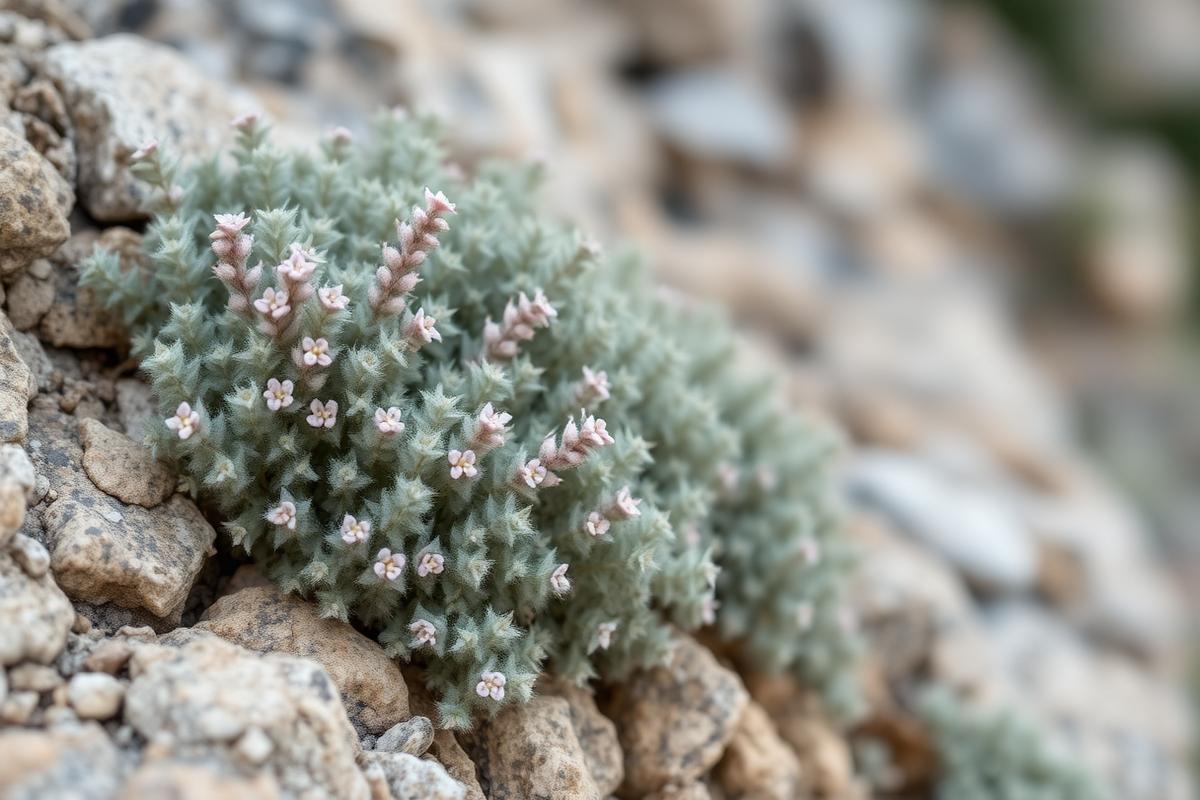
Dittany is perhaps the plant most closely bound to ancient Crete. Ancient traditions credited it with particular healing properties and linked it to the treatment of wounds. Its reputation was so great that it was regarded as almost a panacea.
2. Thyme — thymos
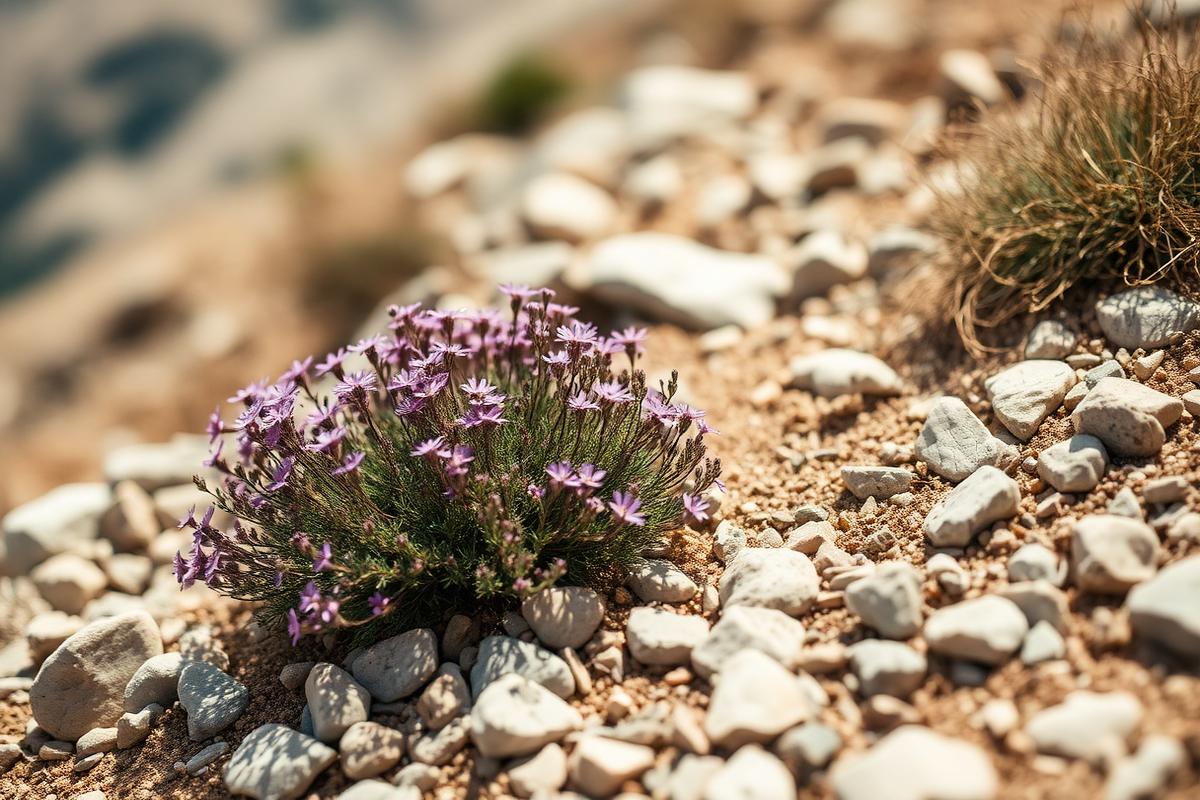
Thyme was prized for its aroma and used both in food and in aromatic and therapeutic preparations. Modern research shows that thyme and related species contain essential oils with compounds such as thymol and carvacrol.
3. Sage — elelisphakos, Salvia fruticosa
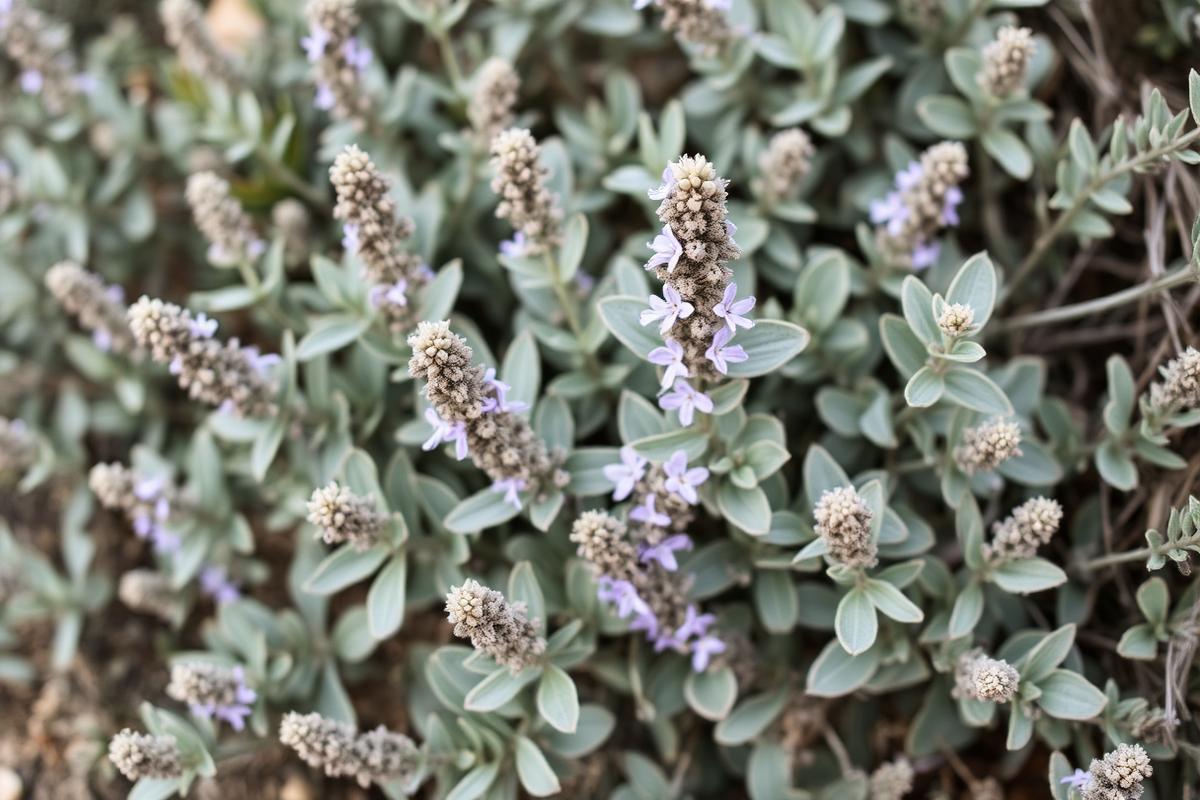
Greek sage was a significant plant of Mediterranean herbal practice, used in preparations and infusions, and its use continued for centuries.
4. Mandrake — Mandragora officinarum
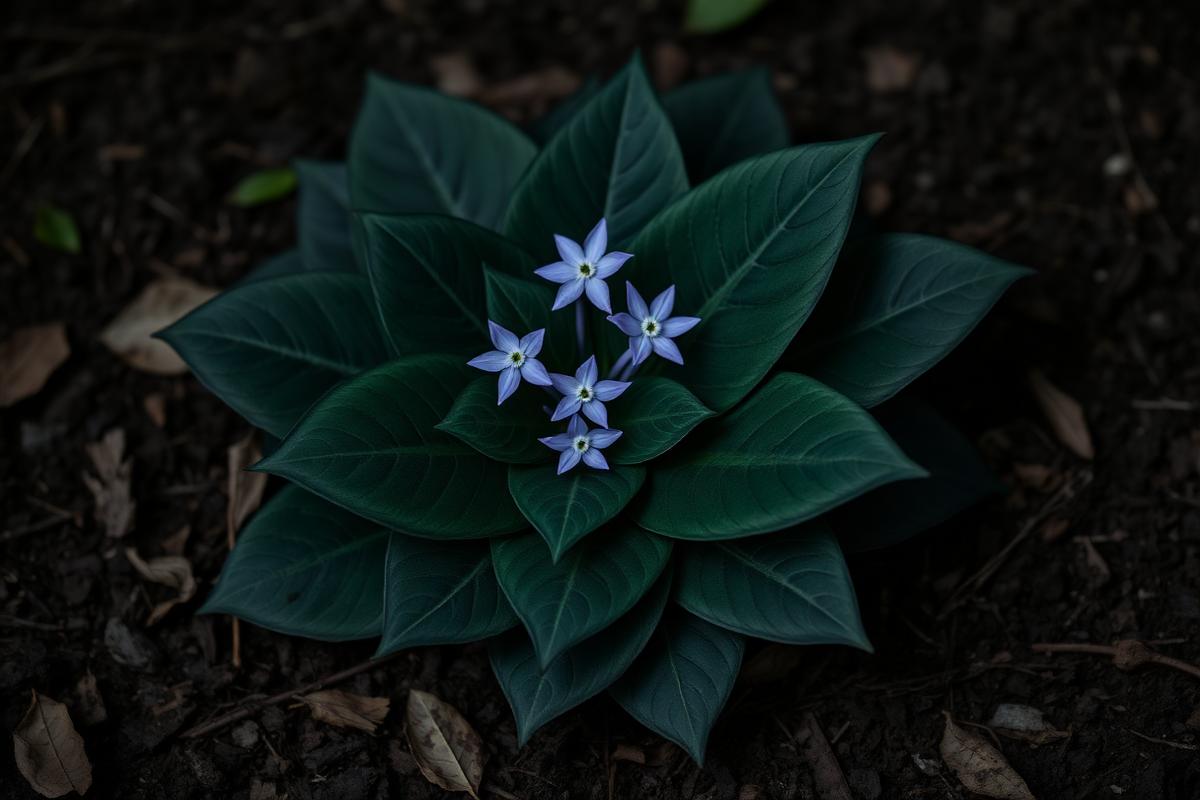
Mandrake is among the most famous plants of ancient medicine. Its roots acquired an enormous mythological reputation, and the plant was tied to ritual, magic, sleep and anaesthetic practice. Caution is essential here: it contains powerful bioactive alkaloids and is not a safe household herb.
5. Willow — itea
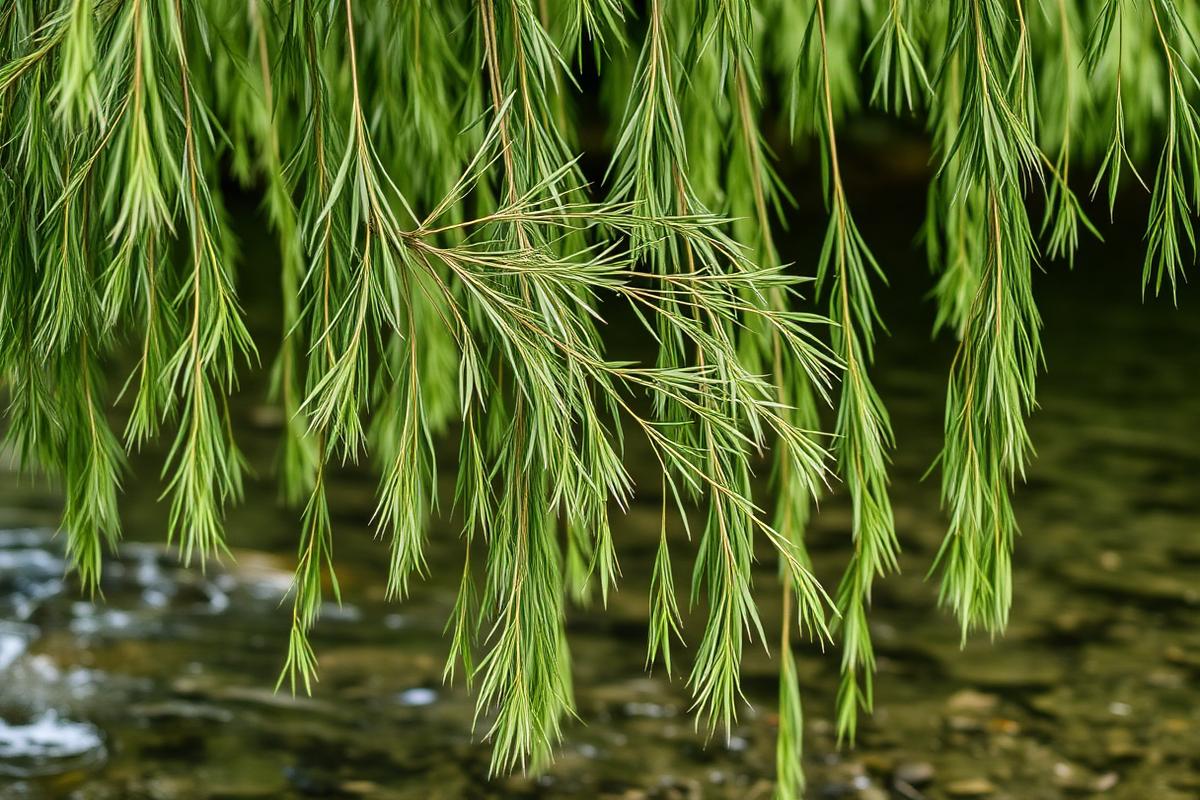
Willow holds a special place in the history of pharmacology. Dioscorides is associated with its use for fever and pain. Much later, science revealed that its bark contains salicin, a substance that fed into the chemistry of salicylates and ultimately the story of aspirin. The ancients did not know the chemistry — they observed the effect.
6. Hellebore — helleboros
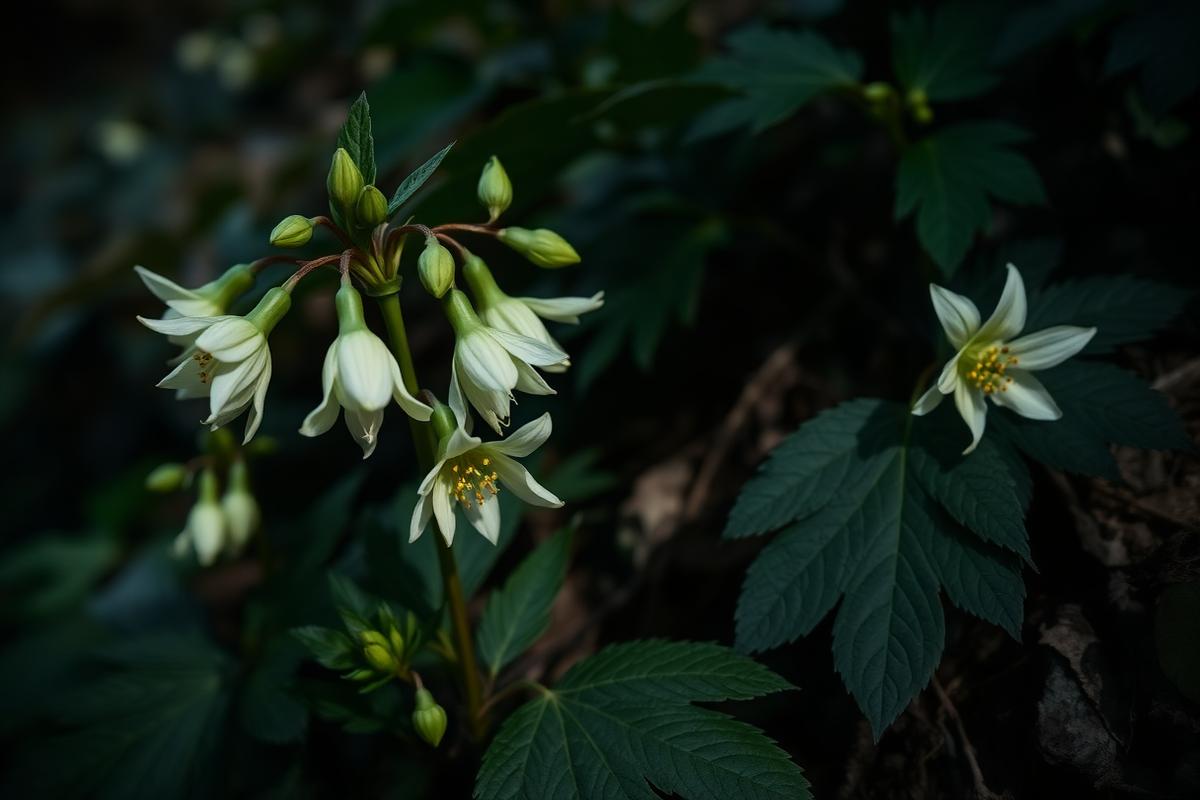
Hellebore was known to the ancients as a powerful medicinal plant, and its gathering was approached with care. Theophrastus describes traditions in which diggers could not continue for long at the work. Today we know that several species contain potent and potentially dangerous compounds.
7. Yarrow — Achillea
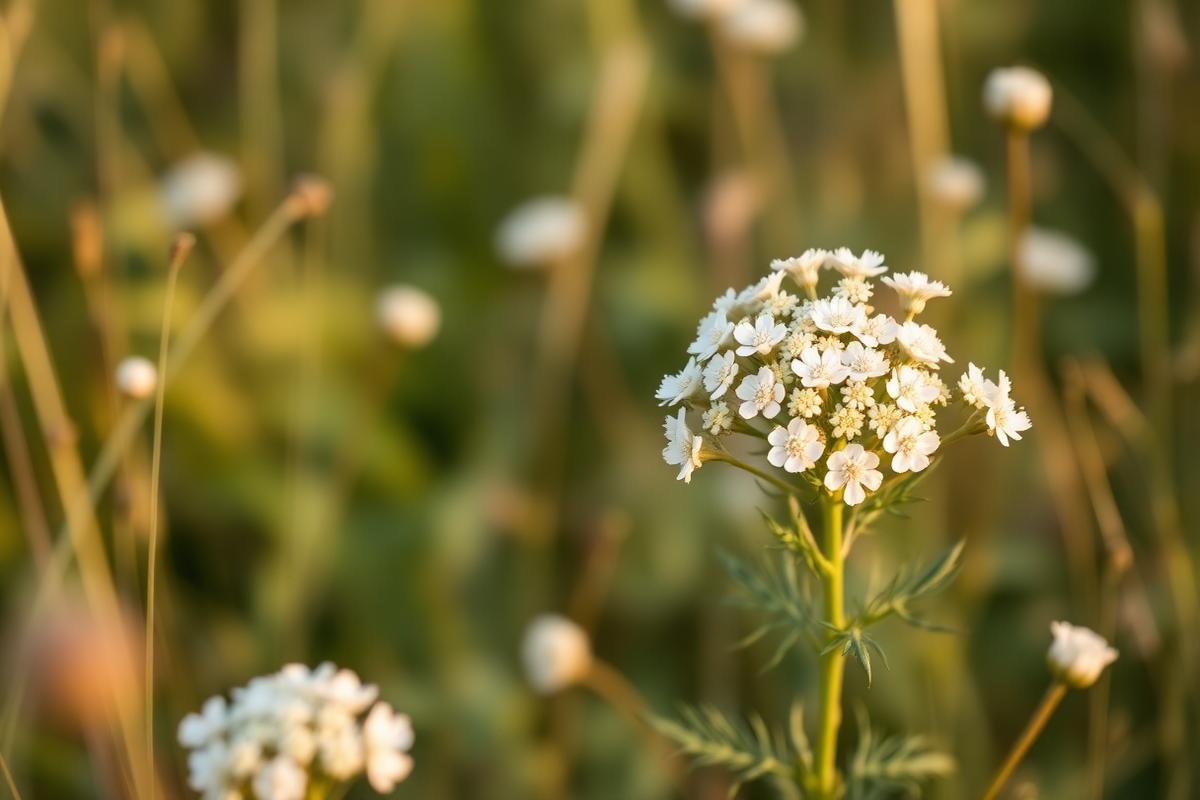
Yarrow was tied from antiquity to Achilles and the myth of healing wounds. The folk tradition of its name reflects a very old relationship with wound care, though the link between that myth and historical practice cannot be proven.
8. Fennel — marathon
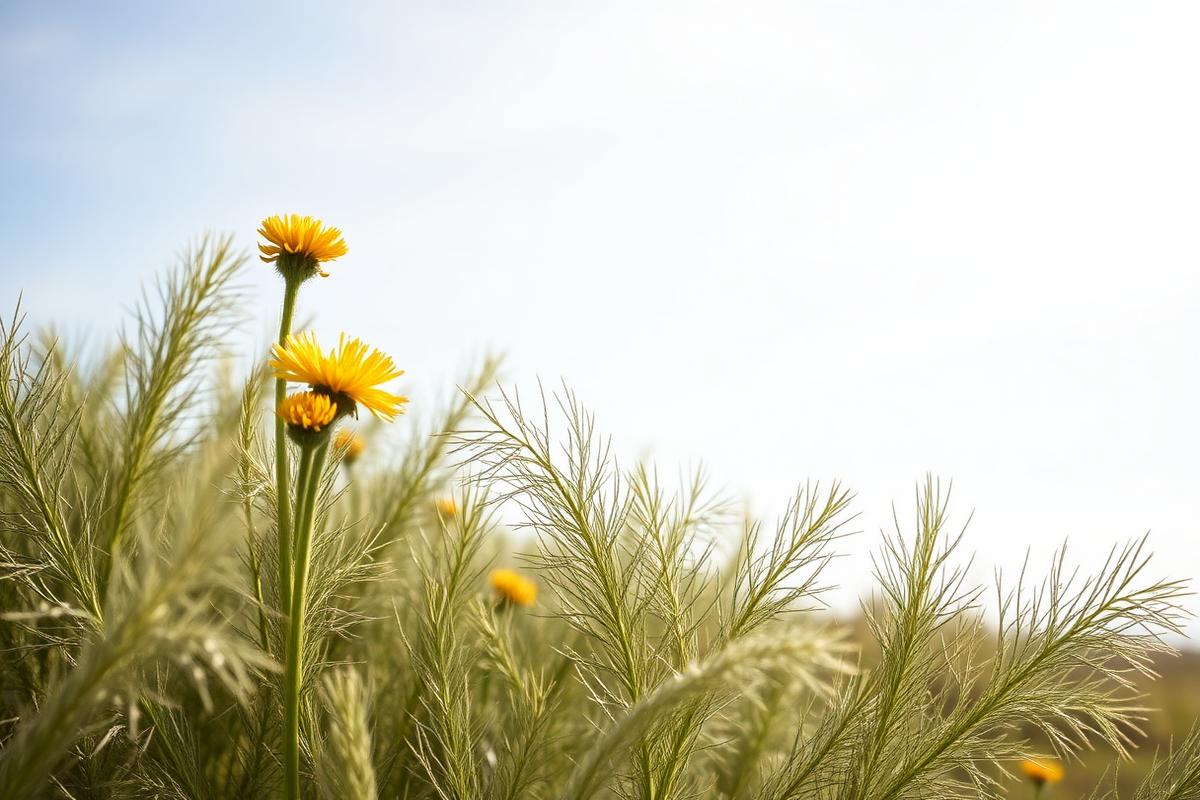
Fennel was known both as a food and as a medicinal plant. This double use was characteristic of ancient Greek practice: many plants were at once food, seasoning, perfume and remedy.
9. Oregano — Origanum
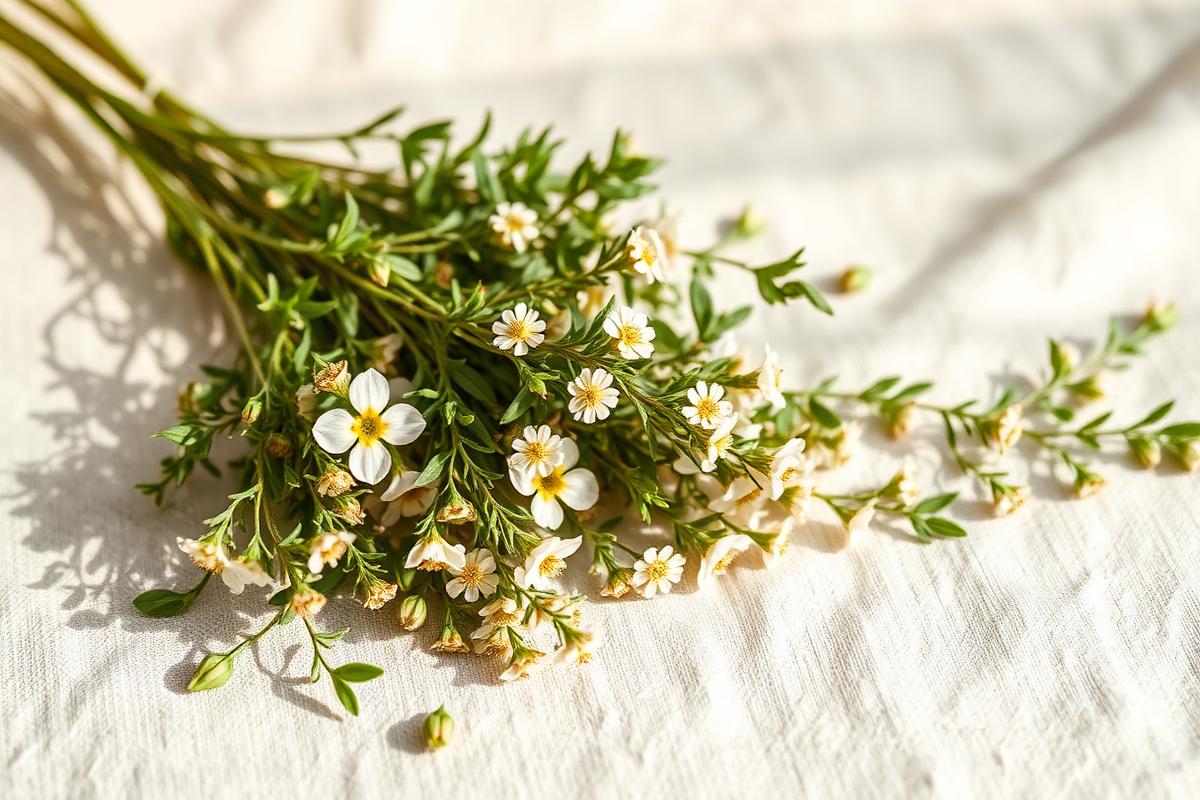
Oregano and its relatives in the genus Origanum held an important place in Mediterranean life — in cooking, in aromatic preparations and in traditional healing. Dittany belongs to the same genus, showing how closely aromatic and medicinal uses were bound together.
10. Pine and resins
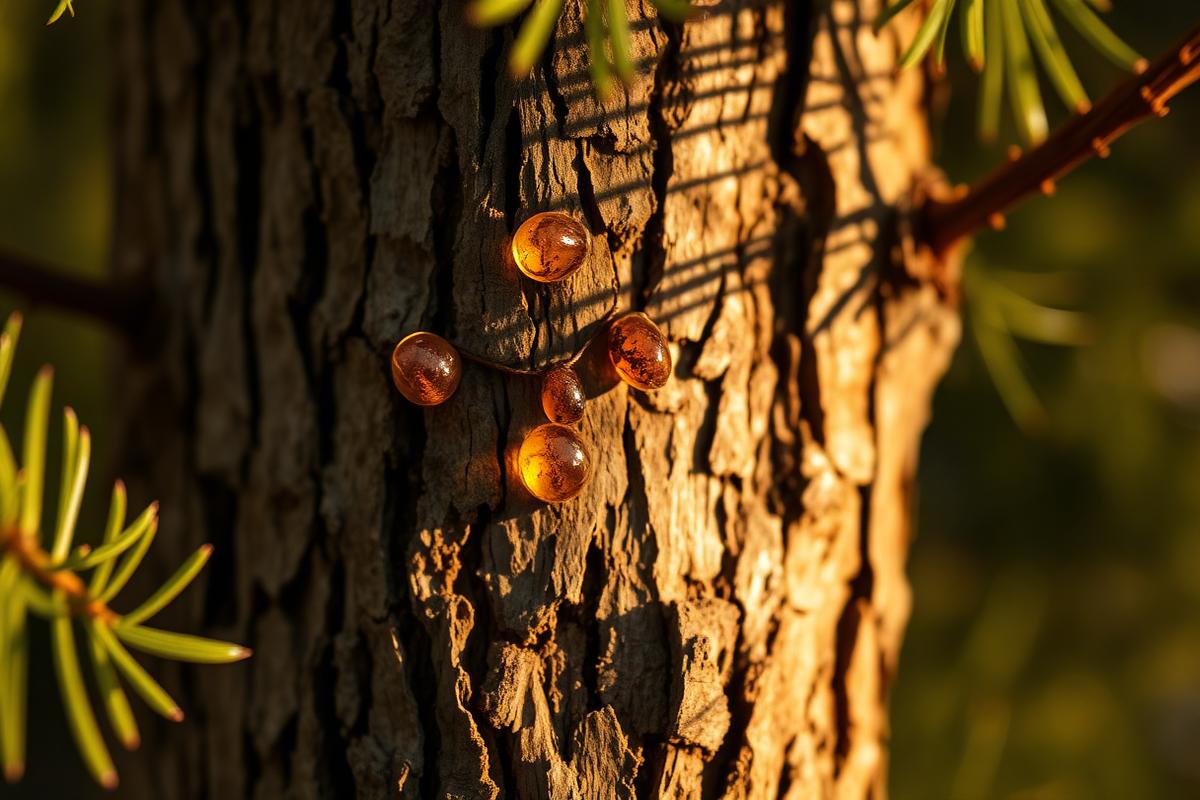
The ancients used not only leaves and flowers but resins, saps, barks and tree exudates. Theophrastus describes the collection of resin from various conifers, naming Crete and Mount Ida in particular for pine pitch.
How the plants were gathered
Gathering was an art in itself. The ancients knew that different parts of the same plant served different purposes: roots, leaves, flowers, fruits, seeds, barks, saps, resins and aromatic oils.
Theophrastus records practices concerning the hour of gathering and the conditions under which certain plants were to be cut. For some there were practical precautions, since they could cause irritation. For others there were ritual or magical beliefs that he himself considered excessive. Ancient botany was not cut off from reasoned thought.
Dioscorides and the first great pharmacopoeia
In the first century CE one of the most significant figures in the history of pharmacology appears: Pedanius Dioscorides, a Greek physician who served as a military doctor. His work On Medical Material, known in the West as De Materia Medica, describes some 600 plants and many hundreds of medicinal substances and preparations.
Its great strength was that it described where a plant is found, which part is used, how it is gathered, how it is prepared and for what use it was considered suitable. It was, in effect, an ancient pharmacopoeia, and it remained a standard pharmacological text for roughly fifteen centuries.
Greece as a natural pharmacy
The ranges of Pindus, Olympus, Pelion, Macedonia, the Peloponnese, Crete, the Aegean islands and the coasts of Asia Minor: each ecosystem had its own flora. Travellers, traders, physicians and gatherers carried plants and raw materials from one region to another.
Nor was the world limited to Greek territory. Theophrastus mentions frankincense, myrrh, cinnamon and cassia from the East and Arabia. What emerged might be called a Mediterranean medicinal marketplace.
From the mountain to the preparation
The process did not end when a plant was cut. Depending on the use, there were infusions, extracts, juices, powders, ointments, oils, resins, poultices, wines and other liquid preparations.
Dioscorides records such processes in detail and mentions not only plants but animal and mineral substances. Ancient pharmacy was far more complex than the image of someone boiling a few leaves in a pot. It was a system of knowledge.
The inheritance that reached us
The tradition did not vanish with antiquity. The knowledge passed from Hellenistic times to the Roman period, then to Byzantium and later to the medieval world. Manuscripts of Dioscorides continued to be copied; the celebrated sixth-century Vienna Dioscorides is one of the most important surviving examples, and Greek manuscripts were preserved in monastic libraries, including on Mount Athos.
More striking still, modern ethnobotanical research keeps finding continuity between ancient and later uses — in the herbal market of Thessaloniki, and on Pelion, where a living tradition of medicinal plant use is still transmitted within communities.
What ancient Greek herbalism really means
We should not idealise ancient medicine. The Greeks did not know active molecules, microbiology, toxicology or modern pharmacology. Some of their treatments were ineffective and others could be dangerous.
But something crucial was happening: they observed nature. Which plant relieves, which harms, where it grows, in which season it appears, which part is used and how it can be preserved. From that observation, pharmacognosy was slowly born.
The physician did not begin in a laboratory. He began by walking in the mountains. Among the stones, the forests and the springs, someone noticed a plant. Touched it. Smelled it. Tried it in the way they could. Noticed what happened. Told someone else. And someone else, centuries later, wrote it down.
So the knowledge passed from the mountain to the manuscript, from the manuscript to the pharmacopoeia, and from the pharmacopoeia to modern science. The story of Greek herbs is not only a story of plants; it is a story of observation, memory and the human effort to understand nature before we could explain it.
Note: The ancient therapeutic uses described here are presented as historical practices, not as modern medical advice. Plants such as mandrake and hellebore in particular can be toxic.